June 5, 20265 min read
Why do homeowners go quiet after you send the quote?
Thom Van Dycke · Van Dycke Strategic Business Architecture
Why do homeowners go quiet after you send the quote?
Because you left them holding a decision they don't know how to make. Silence is what people do when they're afraid of getting something wrong and nobody gave them a clear way to be right. The quiet after your quote is the sound of a buyer protecting themselves from a choice they can't confidently make.
The popular advice is half right
The loudest take in contractor coaching right now says ghosting is a leadership failure, that you let it happen. It's half right, and the half it gets right is worth keeping. If you drift through the close, never ask for the decision, and let the conversation trail off, you earned the silence. That's on you. Lead the call or lose it.
There's a second half the popular take leaves out, and it explains the silence better. The trades transaction has no architecture. Neither side trusts the shape of the conversation, so when it gets uncomfortable both sides do the same thing. They disappear.
Both sides are ghosting for the same reason
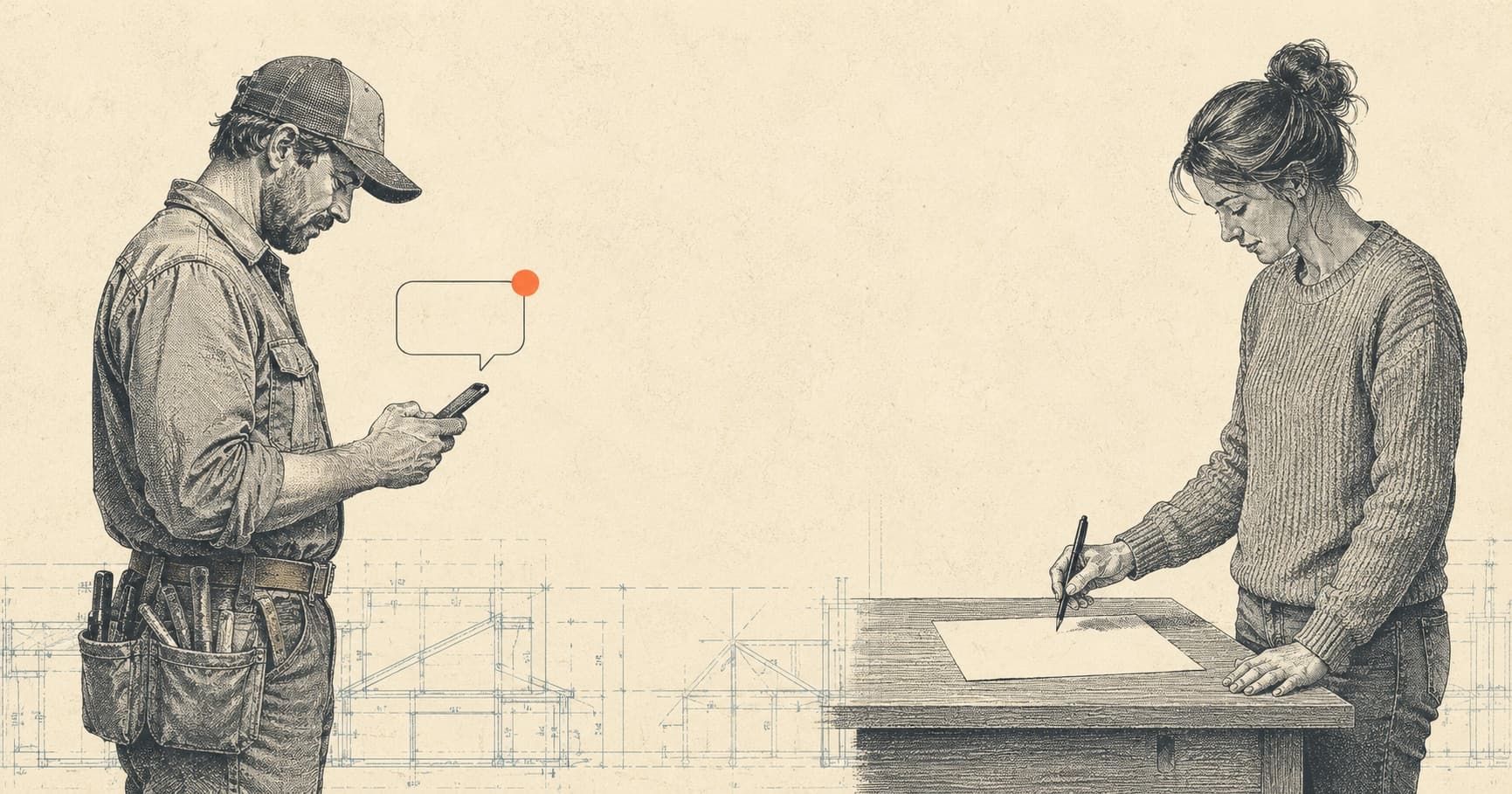
Here's the symmetry that should stop you cold. The same week contractors are venting about getting ghosted by homeowners, the homeowners are venting about the exact opposite: contractors who book an appointment and never show. Those homeowner threads pull enormous engagement, because the frustration runs hard in both directions. Homeowners ghost contractors who never earned clarity. Contractors ghost homeowners by not showing up at all.
Contractors who ghost their leads and homeowners who ghost their quotes are doing the identical thing for the identical reason: neither one trusts the architecture of the conversation. When a transaction has no clear shape, no named problem, no mapped path, no honest stakes, both parties bail the moment it feels risky. From whichever side you're standing on it looks like plain disrespect. Underneath, it's the same wound showing up twice.
You showed up as the hero. They needed a guide.
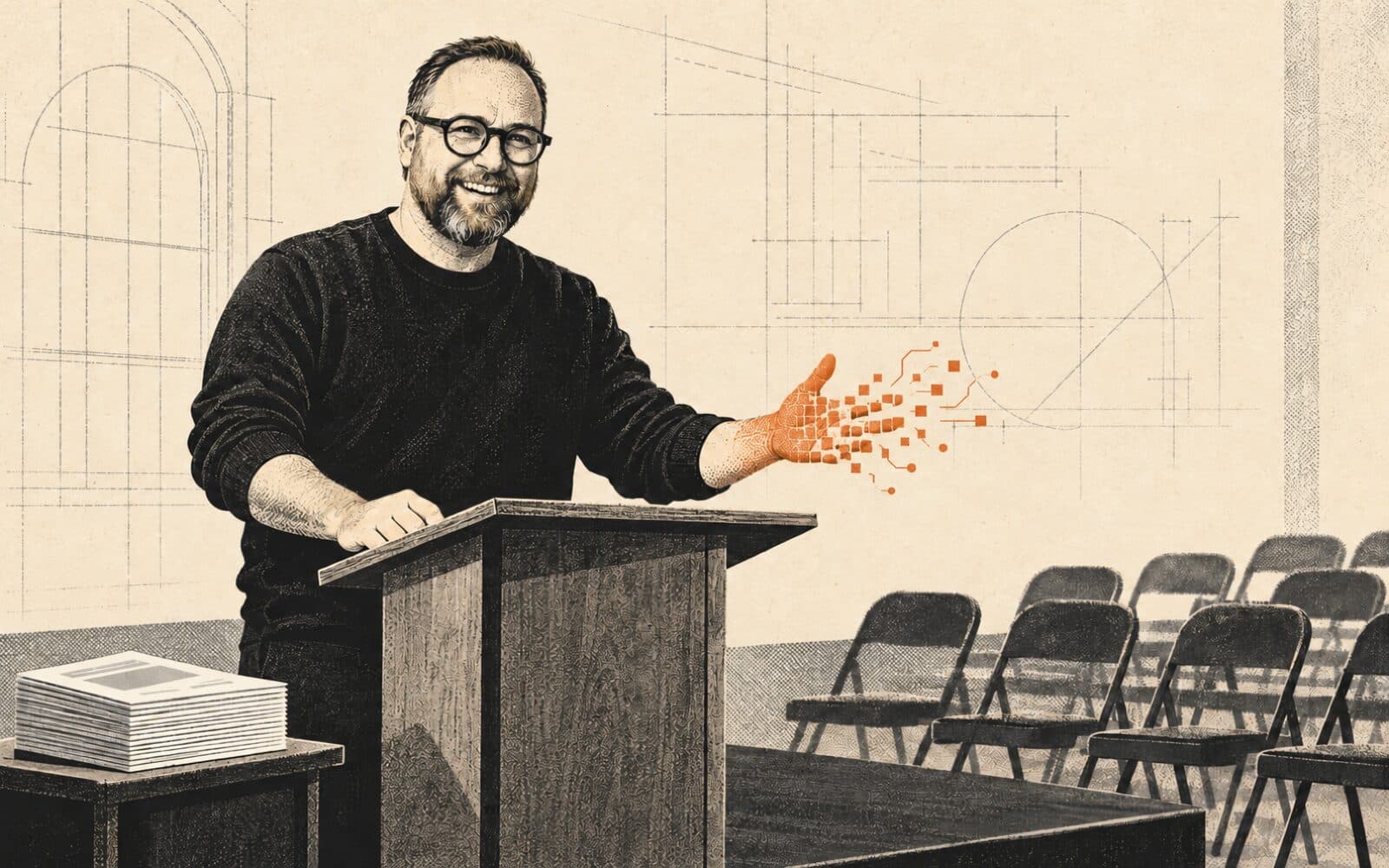
Think about how the consult usually goes. You walk in and you sell yourself. The founder story. The years in business. The trucks, the crew, the five-star reviews, the awards on the wall. Every bit of it true, and every bit of it making the same quiet mistake. It puts you at the center of the story.
The homeowner isn't looking for a hero. They already have one, and it's them. They're the one who has to live with the leaking roof, write the check, and explain the decision to their spouse. What they need in the room is a guide: someone who names their problem more clearly than they can name it themselves, maps what it costs to keep waiting, and lays out a plain three-step path forward.
When you spend the consult being the hero, you leave the homeowner exactly where you found them, standing alone with a decision they don't know how to make, now with a number sitting on top of it. So they go quiet. The price was never really the problem. You never gave them the clarity that would let them say yes with confidence, and silence is what a buyer does when "yes" feels like a gamble.
The fix is structural, and it works from either direction
Stop performing competence and start providing architecture. Three moves change the entire shape of the conversation.
Name the problem before they do, precisely enough that they think, this person actually gets what's going on in my house. Map the cost of staying stuck: what the small leak becomes, what another winter does, what the cheap fix will cost them twice. Then hand them a path they can repeat, first this, then this, then this, so the decision stops feeling like a leap into the dark.
Do that and the homeowner doesn't go quiet, because there's nothing left to be afraid of. You replaced a gamble with a clear next step. It cuts the other way too. A contractor who builds his calls this way stops ghosting his own leads, because a conversation with a real shape is one he actually wants to show up for. The architecture fixes both ends of the silence.
Try this: read your last lost quote as the buyer
Pull up the last quote that went quiet. Read it the way the homeowner did, in their kitchen, at night, with no contractor in the room to explain it. Ask one question. Does this give them everything they need to confidently say yes, the problem named, the cost of waiting clear, the path obvious? Or does it just give them a number and leave the deciding to them?
If it's a number and a logo, you didn't get ghosted. You handed a frightened person a decision with no architecture and hoped they'd be brave. Most people aren't brave about money they're unsure how to spend. They go quiet instead. Build the clarity into the conversation and the silence mostly stops, because you finally gave them something solid to stand on.
Frequently asked
Should I just follow up more aggressively after a quote?
Follow-up helps, but more pressure on a foundation of confusion makes it worse. If the homeowner went silent because they don't understand the decision, a fifth "just checking in" text reads as chasing. Fix the clarity in the conversation first, and then your follow-up works as a reminder instead of a rescue.
Isn't some ghosting just unavoidable?
Some, yes. Tire-kickers and people who were never going to buy exist. But if ghosting is your pattern rather than your exception, that's a signal about the architecture of your consults, not the character of your market. Patterns point at structure. Treat a steady ghosting rate as feedback, not bad luck.
How is this different from "always be closing"?
Closing harder assumes the buyer is resisting. Usually they're not resisting. They're confused and scared of choosing wrong. The work is to remove the fear by giving the decision a clear shape, rather than trying to overpower an objection that was never really there. Clarity does what pressure can't. It makes "yes" feel safe.
What's the single biggest thing I can change tomorrow?
Stop opening your consults with your story and start opening with theirs. Name their problem out loud, in specific terms, before you say a word about your business. The moment a homeowner feels accurately understood, the whole conversation changes, and the silence afterward usually doesn't come.
Ready for some serious action?
It starts with a quick 20-minute call to come up with a plan.
Get the next one in your inbox
Occasional field notes on positioning, marketing, and building a founder-led business worth running. No spam, and you can unsubscribe anytime.