July 24, 20266 min read
Why do my leads go cold, and how do I keep them warm?
Thom Van Dycke · Van Dycke Strategic Business Architecture
Leads go cold for one reason: a lack of follow-up. The buyer rarely lost interest. Someone just stopped reminding them you exist. Fast first contact and steady contact after are the same discipline, and a lead should almost never die when a business does it on purpose.
What actually makes a lead go cold?
One thing. Follow-up, or the lack of it. That's the whole answer, and it's worth sitting with because most owners assume the opposite.
When a lead goes quiet, the story we tell ourselves is that they're not interested. Usually that's wrong. A quote sits unanswered because the homeowner is mid-renovation and drowning. A proposal goes quiet because the buyer's on vacation for three weeks. A promising conversation stalls because a bigger fire lit up on their end. None of that means the deal is dead. It means the timing moved.
Now play it forward. Say a lead looks like they're ghosting you, but really they're on a beach for three weeks. When they get back to a full inbox and a hundred to-dos, the odds they remember the siding guy they talked to a month ago are slim. They didn't dislike you. You just fell off the edge of a busy person's memory. None of that is their fault. Keeping the lead warm was your job.
Doesn't speed matter too?
It does, and speed is just the first act of follow-up.
The data on the front end is stark. A Harvard Business Review study of 1.25 million sales leads found that companies that reached a lead within an hour were nearly seven times more likely to have a real conversation with a decision-maker than companies that waited even sixty minutes longer, and more than 60 times more likely than the ones who waited a day. When a homeowner fills out three forms or a buyer emails three firms, the first real human response usually wins the conversation.
So get there fast. But notice what "get there fast" actually is. It's follow-up, done immediately. Answering a fresh lead in the first hour and nudging a quiet one in week three are the same behavior on different clocks. One is follow-up at the front door. The other is follow-up down the hall. Miss either and the lead cools.
How do you keep a lead warm without it becoming a grind?
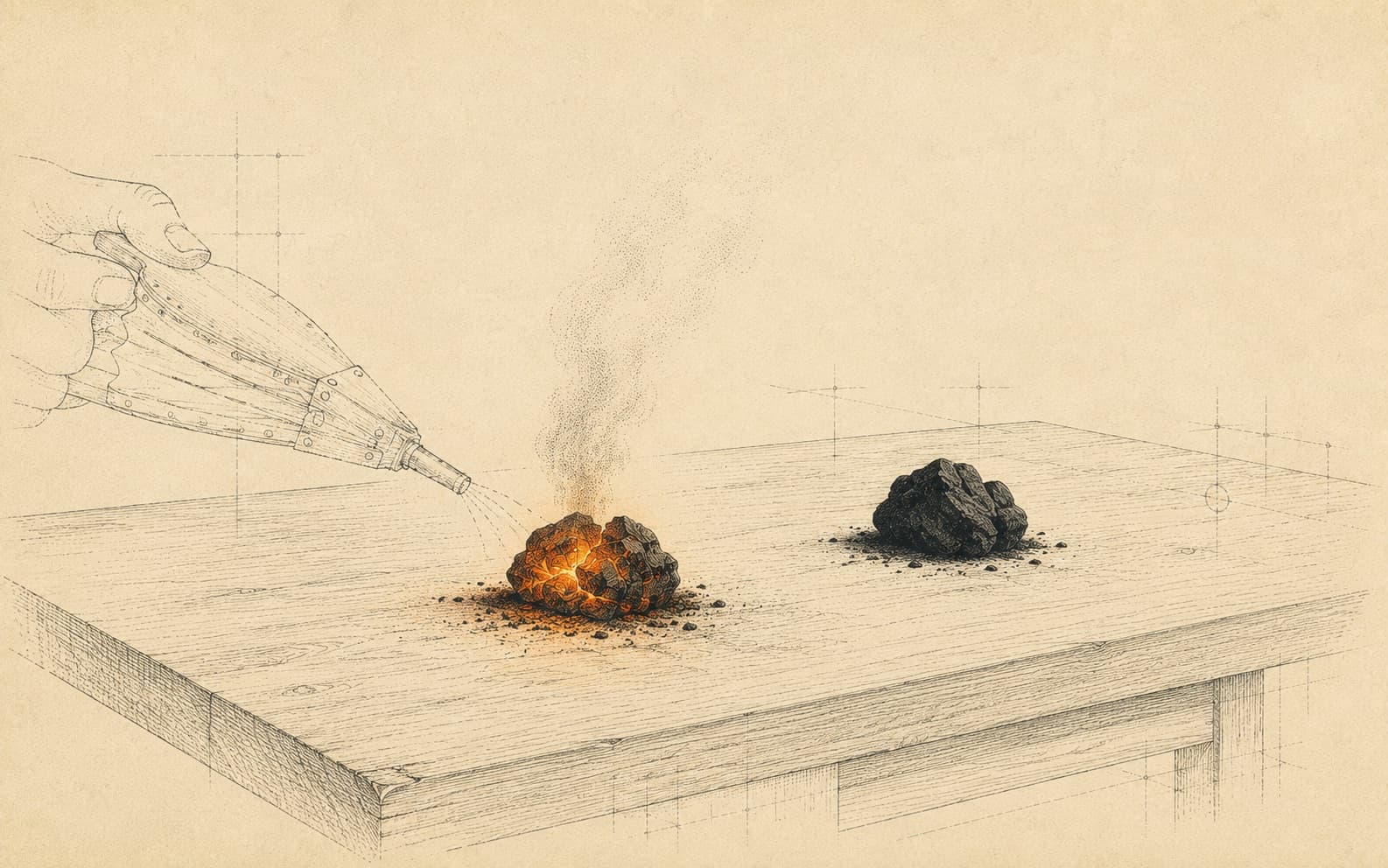
You remind them you exist, gently, on a rhythm. That's it. It's much easier than owners fear.
Every so often, once a month is plenty for a slow buyer cycle, send something personal and low-pressure. Not a "just checking in" that's really "please buy now." Something that shows you were paying attention. You saw an article that fits a problem they mentioned, so you send it. You noticed on LinkedIn they just got back from a trip, so you ask how it was. You saw they're expecting their first grandchild, so you say congratulations. There are a dozen honest reasons to land in someone's inbox that have nothing to do with closing, and every one of them keeps you top of mind for the moment they're ready.
Do that, and the lead who "ghosted" you resurfaces on their own timeline instead of forgetting you existed. A steady drip of genuine, human contact beats one aggressive push and then silence, every time.
Why doesn't the follow-up happen?
Because in most founder-led businesses, follow-up lives in one place: the owner's head, competing with everything else the owner is carrying.
You mean to send that note. You will, once this job wraps, once the quotes are out, once the week calms down. It doesn't calm down. So follow-up becomes the thing that only happens when you happen to have a free minute and happen to remember the specific person, which is exactly when it won't. This is the same founder-bottleneck that means you can't take a weekend, wearing a different costume. The lead going cold and the vacation you can't take are the same structural problem: the business only works when you're personally present and paying attention.
That's an architecture problem, and it has an architecture fix. Follow-up shouldn't depend on your memory. It should be a light system that runs whether you're busy or not: a fast first response that doesn't wait for your thumb, and a simple recurring prompt so the personal touches actually go out. Locate it correctly and this is a Sales-system gap one layer under the "my leads keep dying" complaint. Build the system once, and you stop re-litigating your own discipline every quarter.
Putting it to work
Start with the two moments a lead cools, and put something in place at each.
The first hour. Set one instant response for every new lead that doesn't require you to be free. A same-minute auto-reply that acknowledges them, gives a real callback window, and offers a link to book a time. It buys the first-hour credibility the research rewards without depending on where you are.
The long middle. Build one simple follow-up rhythm for leads already in the pipeline. Pick a cadence you'll actually keep, monthly is fine for a slow buyer cycle, and make each touch personal and useful, not a sales nudge. An article they'd find helpful. A note about something you genuinely noticed. Put the reminders in whatever you already use, a CRM, a calendar, a recurring task, so the prompt comes to you instead of relying on your memory.
Then track one number: how many active leads got a real touch in the last 30 days. If the answer is "the ones I happened to remember," you found the leak.
Sources
- The Short Life of Online Sales Leads (Harvard Business Review). Across 1.25 million leads, contacting within an hour made firms nearly 7x more likely to qualify the lead than waiting an hour longer.
Frequently asked
How often should I follow up with a lead who's gone quiet?
Often enough to stay in memory, rarely enough to stay welcome. For a slow buyer cycle, roughly once a month works. The trick is that each touch should be genuinely useful or personal, not a repeated ask. A helpful article or a real note keeps you top of mind. Five "just checking in" emails in a row get you muted.
Isn't following up this much just being annoying?
Only if every touch is a sales pitch. A monthly note that shows you were paying attention, an article, a congratulations, a real question, reads as attentive, not pushy. The annoying version is silence followed by a sudden hard close. Steady, human, low-pressure contact is what buyers actually appreciate over a long decision.
What if the lead really isn't interested?
Some aren't, and that's fine. But don't assume it from silence. Quiet usually means bad timing, not a no. Keep the light follow-up going, and the genuinely uninterested will opt out while the merely busy come back when their timing changes. You lose nothing by staying warm and useful.
Do I need a CRM to do this?
No. A CRM helps, but the point is a system that prompts you instead of relying on memory. A recurring calendar reminder, a simple task list, or a spreadsheet with next-touch dates all work. The tool matters less than removing yourself as the single point of failure for whether follow-up happens at all.
Ready to look at the architecture honestly?
If your leads keep going cold and the advice you keep getting is "hustle harder," book the conversation. We'll look at where follow-up actually lives in your business, why it depends on you, and whether the work we do fits where you are.
Ready for some serious action?
It starts with a quick 20-minute call to come up with a plan.
Get the next one in your inbox
Occasional field notes on positioning, marketing, and building a founder-led business worth running. No spam, and you can unsubscribe anytime.